Dinosaur Fossils in America
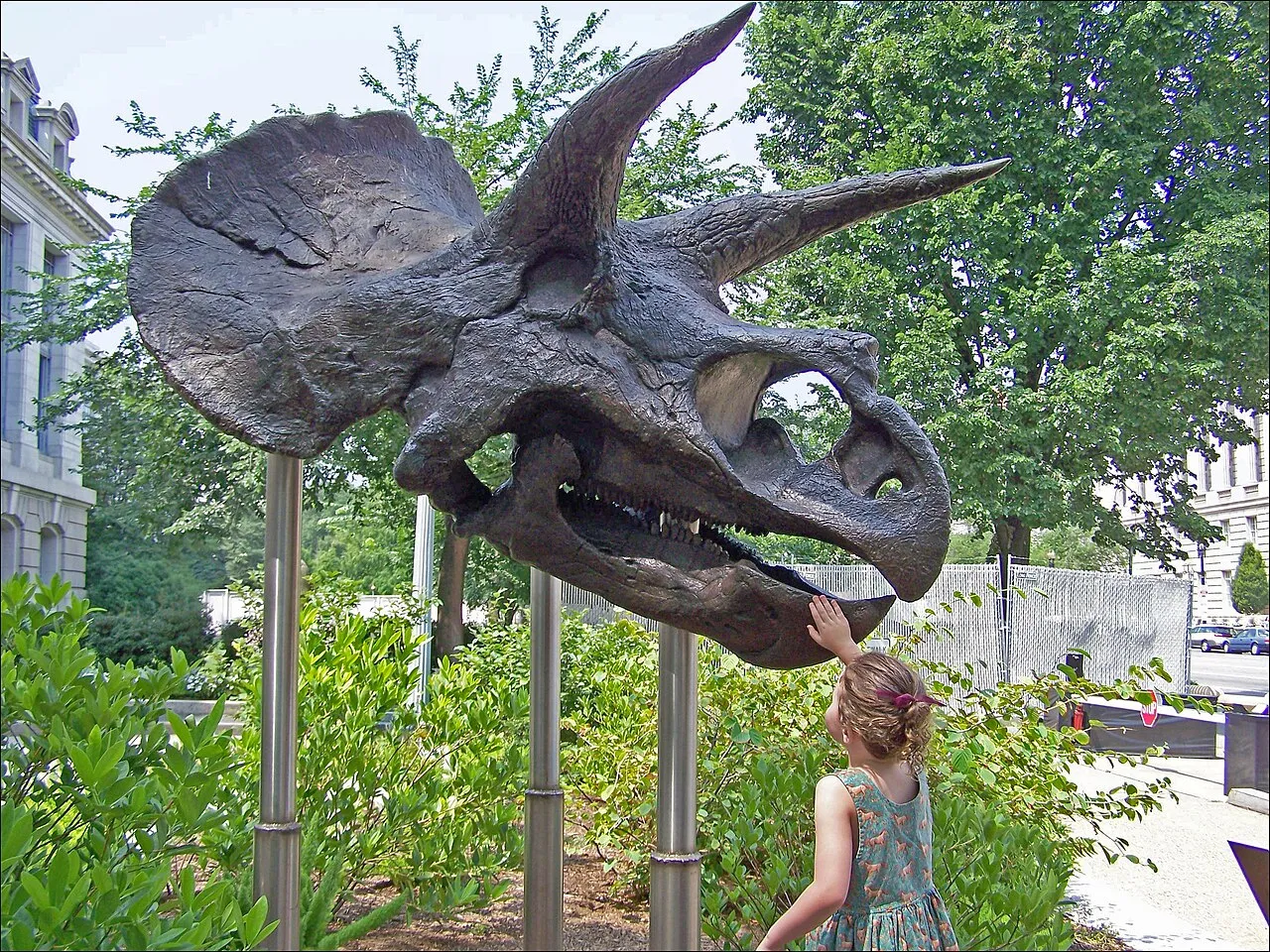
Dinosaur Fossils in America
The United States is one of the richest countries on Earth for dinosaur fossils. From the badlands of Montana to the desert mesas of Utah, American rock formations have produced some of the most iconic dinosaurs ever discovered --- Tyrannosaurus rex, Triceratops, Stegosaurus, Diplodocus, and hundreds more. And the best part? You don’t need a PhD to find them.
Where Dinosaur Fossils Are Found in the US
Dinosaur fossils in America are overwhelmingly concentrated in the Western Interior of the continent. This isn’t random --- during the Mesozoic Era, the western half of North America featured vast river floodplains, coastal deltas, and semi-arid basins that were ideal for both supporting dinosaur populations and preserving their remains after death.
The states with the highest density of dinosaur fossil sites include:
- Montana --- The undisputed champion. Home to Hell Creek, Two Medicine, and Judith River formations.
- Wyoming --- Lance Formation, Morrison Formation exposures, and the famous Como Bluff.
- Utah --- Dinosaur National Monument, Cleveland-Lloyd Quarry, and vast BLM lands with Morrison exposures.
- Colorado --- Morrison type locality, Dinosaur Ridge, Garden Park, and Picketwire Canyon trackways.
- South Dakota --- Hell Creek Formation exposures in the northwestern corner of the state.
- New Mexico --- Kirtland and Fruitland formations, plus significant Triassic sites at Ghost Ranch.
- Texas --- Glen Rose trackways, Big Bend National Park Cretaceous deposits, and Post Quarry Triassic sites.
- North Dakota --- Hell Creek Formation exposures yielding late Cretaceous fauna.
Eastern states are far less productive for dinosaur body fossils, though Connecticut and Massachusetts are world-famous for Early Jurassic dinosaur trackways, and isolated finds have occurred in New Jersey, Maryland, Alabama, and Missouri.
Map of Key Dinosaur-Bearing Formations
Understanding formations is the key to finding dinosaurs. A geological formation is a mappable rock unit with consistent characteristics. Here are the major dinosaur-producing formations in the US:
Late Cretaceous (68—66 million years ago)
- Hell Creek Formation (Montana, Wyoming, South Dakota, North Dakota) --- T. rex, Triceratops, Edmontosaurus, Pachycephalosaurus, Ankylosaurus. The last dinosaur ecosystem before the extinction.
- Lance Formation (Wyoming) --- Equivalent to Hell Creek. Triceratops, T. rex, Torosaurus.
- Judith River Formation (Montana) --- Slightly older. Gorgosaurus, Centrosaurus, hadrosaurs, ceratopsians.
- Two Medicine Formation (Montana) --- Maiasaura (the “good mother lizard”), Einiosaurus, Daspletosaurus.
- Kirtland/Fruitland Formations (New Mexico) --- Parasaurolophus, Kritosaurus, tyrannosaurs.
Late Jurassic (155—148 million years ago)
- Morrison Formation (Colorado, Wyoming, Utah, Montana, and others) --- Allosaurus, Diplodocus, Stegosaurus, Apatosaurus, Brachiosaurus, Camarasaurus. The richest Jurassic dinosaur unit in the world.
Late Triassic (230—200 million years ago)
- Chinle Formation (Arizona, New Mexico, Utah) --- Coelophysis, early dinosaurs, phytosaurs, and the Petrified Forest.
Can Amateurs Find Dinosaurs?
Yes. Some of the most important dinosaur discoveries in American history were made by amateurs, ranchers, hikers, and commercial fossil hunters --- not university paleontologists.
The key factors are:
- Access to the right rock. You need to be in an area where dinosaur-bearing formations are exposed at the surface.
- Erosion. Fossils are constantly being exposed by wind, rain, and freeze-thaw cycles. Fresh finds appear every year.
- Patience and trained eyes. Learning to spot bone fragments among weathered rock is a skill that improves with practice.
There are several legitimate ways amateurs find dinosaur fossils:
- Commercial dig programs that take paying participants into productive fossil beds
- Collecting on private land with the landowner’s written permission
- Surface collecting invertebrate and plant fossils on BLM land (vertebrate fossils require permits on all federal land)
- Museum and university volunteer field programs
Legal Rules for Dinosaur Fossil Collecting
This is critically important. The legal landscape for fossil collecting in the US varies dramatically depending on land ownership:
Federal Land (BLM, National Forest, National Parks)
- Vertebrate fossils (including all dinosaur bones, teeth, and tracks) always require permits under the Paleontological Resources Preservation Act (PRPA) of 2009.
- Permits are only issued to qualified researchers affiliated with approved repositories.
- Casual surface collection of reasonable quantities of invertebrate and plant fossils is allowed on BLM and National Forest land without a permit.
- National Parks and Monuments prohibit all fossil collecting without a research permit.
- Penalties for illegal collection include fines up to $500,000 and imprisonment.
State Land
- Rules vary by state. Many western states prohibit vertebrate fossil collection on state land without permits.
Private Land
- Fossils found on private land belong to the landowner. With the landowner’s permission (ideally written), you can collect and keep dinosaur fossils legally.
- This is how most amateur dinosaur collecting happens in practice.
Best Commercial Dinosaur Dig Programs
These are real, operating programs where you can pay to participate in genuine dinosaur excavation:
- PaleoAdventures (Belle Fourche, South Dakota) --- Multi-day digs in the Hell Creek Formation. Participants help excavate real dinosaur fossils. One of the most established programs in the country.
- Judith River Dinosaur Institute (Malta, Montana) --- Digs in the Judith River Formation targeting hadrosaurs, ceratopsians, and tyrannosaurs.
- Wyoming Dinosaur Center (Thermopolis, Wyoming) --- Offers dig-for-a-day programs in Morrison and Cretaceous formations. Family-friendly.
- Burpee Museum of Natural History (Rockford, Illinois) --- Runs annual volunteer digs in the Hell Creek Formation of Montana.
- Baisch’s Dinosaur Digs (Glendive, Montana) --- Hell Creek Formation digs with opportunities to find T. rex, Triceratops, and more.
- Two Medicine Dinosaur Center (Bynum, Montana) --- Field programs in the Two Medicine Formation, famous for Maiasaura nesting grounds.
Costs typically range from $200 for a single-day dig to $1,500—3,000+ for multi-day expeditions including lodging and meals.
Famous Amateur and Non-Academic Discoveries
- Sue the T. rex --- Discovered in 1990 by Sue Hendrickson, a commercial fossil collector, on private Cheyenne River Sioux land in South Dakota. Became the subject of a massive legal battle. Eventually sold at auction for $8.36 million and now resides at the Field Museum in Chicago. Sue remains the most complete T. rex ever found.
- Stan the T. rex --- Found by amateur collector Stan Sacrison in 1987 near Buffalo, South Dakota. One of the most complete T. rex specimens. Sold at Christie’s auction in 2020 for $31.8 million.
- Leonardo the Brachylophosaurus --- A spectacularly mummified hadrosaur discovered in 2000 by amateur Nate Murphy in the Judith River Formation of Montana. Over 90% of the body preserved with skin impressions and soft tissue.
- The Howe Quarry dinosaurs --- A massive Morrison Formation bone bed near Shell, Wyoming, found by rancher Barker Howe in 1934.
- Dreadnoughtus --- While found in Argentina, it illustrates the pattern: significant finds frequently involve non-academic discoverers who alert professionals.
These stories prove that important discoveries are still being made by everyday people. The key is knowing where to look and what to do when you find something significant.
Which States for Which Dinosaurs
| State | Key Dinosaurs | Primary Formation(s) |
|---|---|---|
| Montana | T. rex, Triceratops, Maiasaura, Daspletosaurus | Hell Creek, Two Medicine, Judith River |
| Wyoming | T. rex, Triceratops, Allosaurus, Diplodocus | Lance, Morrison |
| Utah | Allosaurus, Utahraptor, Diplodocus, Falcarius | Morrison, Cedar Mountain |
| Colorado | Stegosaurus, Allosaurus, Diplodocus | Morrison |
| South Dakota | T. rex, Edmontosaurus, Triceratops | Hell Creek |
| New Mexico | Coelophysis, Parasaurolophus, various tyrannosaurs | Chinle, Kirtland |
| Texas | Alamosaurus, Acrocanthosaurus (tracks) | Aguja, Glen Rose |
| North Dakota | T. rex, Edmontosaurus, Denversaurus | Hell Creek |
| Connecticut | Early theropod trackmakers | Portland Formation (tracks) |
Identifying Dinosaur Fossils in the Field
Knowing where to look is only half the challenge. You also need to recognize dinosaur fossils when you see them. Most dinosaur material found on the surface consists of small, weathered bone fragments --- not the complete skeletons you see in museums. Here are the basics:
- The tongue test. Fossilized bone is porous. Touch a clean surface to the tip of your tongue --- if it sticks slightly, that’s a strong indicator of bone. The microscopic pore structure of bone creates capillary action that pulls moisture from your tongue.
- Internal texture. Dinosaur bone in cross-section shows a spongy, irregular meshwork of mineralized tissue. This looks distinctly organic and is very different from the concentric rings of petrified wood or the uniform texture of ordinary rock.
- Weight. Fossilized bone is typically heavier than surrounding rock because the original pore spaces have been filled with dense minerals like silica, calcite, or iron oxides.
- Color. Fossil bone can range from tan and brown to black, red, or even agate-like banded colors depending on the replacement minerals. Color alone is never diagnostic.
For detailed identification guidance, see our guides on identifying dinosaur bone and dinosaur tracks.
Why America Is So Rich in Dinosaur Fossils
The United States’ extraordinary dinosaur fossil record isn’t just luck --- it’s the result of specific geological and geographic factors:
- The right rocks at the surface. Mesozoic sedimentary formations are widely exposed across the western US due to uplift, erosion, and the arid climate that keeps vegetation from covering outcrops.
- Continuous erosion. The badlands topography of Montana, Wyoming, and the Dakotas ensures that new fossils are constantly being exposed by wind, water, and freeze-thaw weathering. A specimen invisible one year may be sitting on the surface the next.
- Depositional environments favorable to preservation. During the Mesozoic, much of western North America consisted of river floodplains, deltas, and coastal lowlands --- exactly the environments where animal carcasses are most likely to be buried quickly and fossilized.
- A long history of exploration. American paleontology has a 150-year head start in many western formations, beginning with the Bone Wars of the 1870s. This deep institutional knowledge means we know where to look, and new discoveries build on generations of prior work.
- Accessible public lands. The vast BLM and National Forest holdings in the West provide access to fossil-bearing formations that might be locked behind private property in other countries.
Dinosaur Museums Worth Visiting
If you want to see the best of what American dinosaur formations have produced, these museums house world-class collections:
- American Museum of Natural History (New York City) --- Iconic fossil halls with T. rex, Apatosaurus, and Triceratops mounts.
- Field Museum of Natural History (Chicago) --- Home to Sue, the most complete T. rex ever found.
- Smithsonian National Museum of Natural History (Washington, DC) --- The Nation’s T. rex and the newly renovated Deep Time exhibit.
- Museum of the Rockies (Bozeman, Montana) --- The largest collection of T. rex specimens in the world, plus Maiasaura growth series. Jack Horner’s home base for decades.
- Wyoming Dinosaur Center (Thermopolis, Wyoming) --- Excellent Morrison and Cretaceous displays, plus dig-for-a-day programs.
- Natural History Museum of Utah (Salt Lake City) --- Spectacular displays from Utah’s Morrison and Cedar Mountain formations.
- Denver Museum of Nature & Science (Denver) --- Strong Colorado and Western Interior collections.
- Royal Tyrrell Museum (Drumheller, Alberta, Canada) --- Just across the border, this is one of the finest dinosaur museums in the world, focusing on Alberta’s Cretaceous formations.
Getting Started
If you want to find dinosaur fossils, start with a commercial dig program. You’ll learn field identification skills, proper excavation techniques, and the thrill of uncovering something that hasn’t seen sunlight in 66 million years or more. From there, you can pursue collecting on private land, volunteering with museums, or even enrolling in university field schools.
The dinosaurs are out there, weathering out of hillsides across the American West right now. Someone is going to find the next great specimen. It might as well be you --- as long as you do it legally and responsibly.
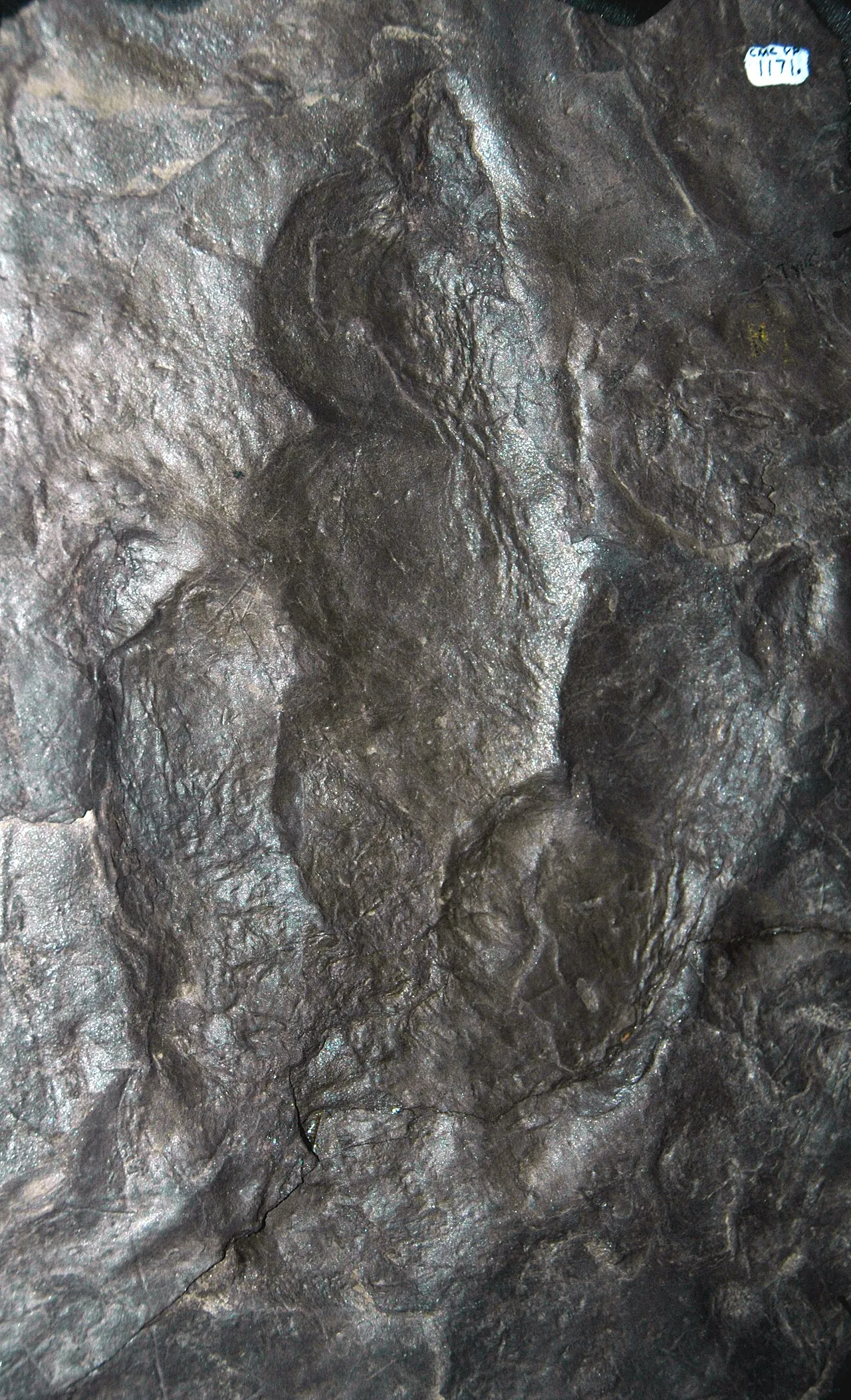
Dinosaur Tracks
Dinosaur Bone vs Rock
How to tell if you've found real dinosaur bone — the tongue test and more.
Dinosaur Track ID
Theropod vs sauropod vs ornithopod — how to identify dinosaur tracks.
Join a Dinosaur Dig
Commercial programs and volunteer opportunities to dig real dinosaur fossils.
Morrison Formation
The Jurassic formation that gave us Allosaurus, Diplodocus, and Stegosaurus.