The Legal Guide to Fossil Collecting in the US
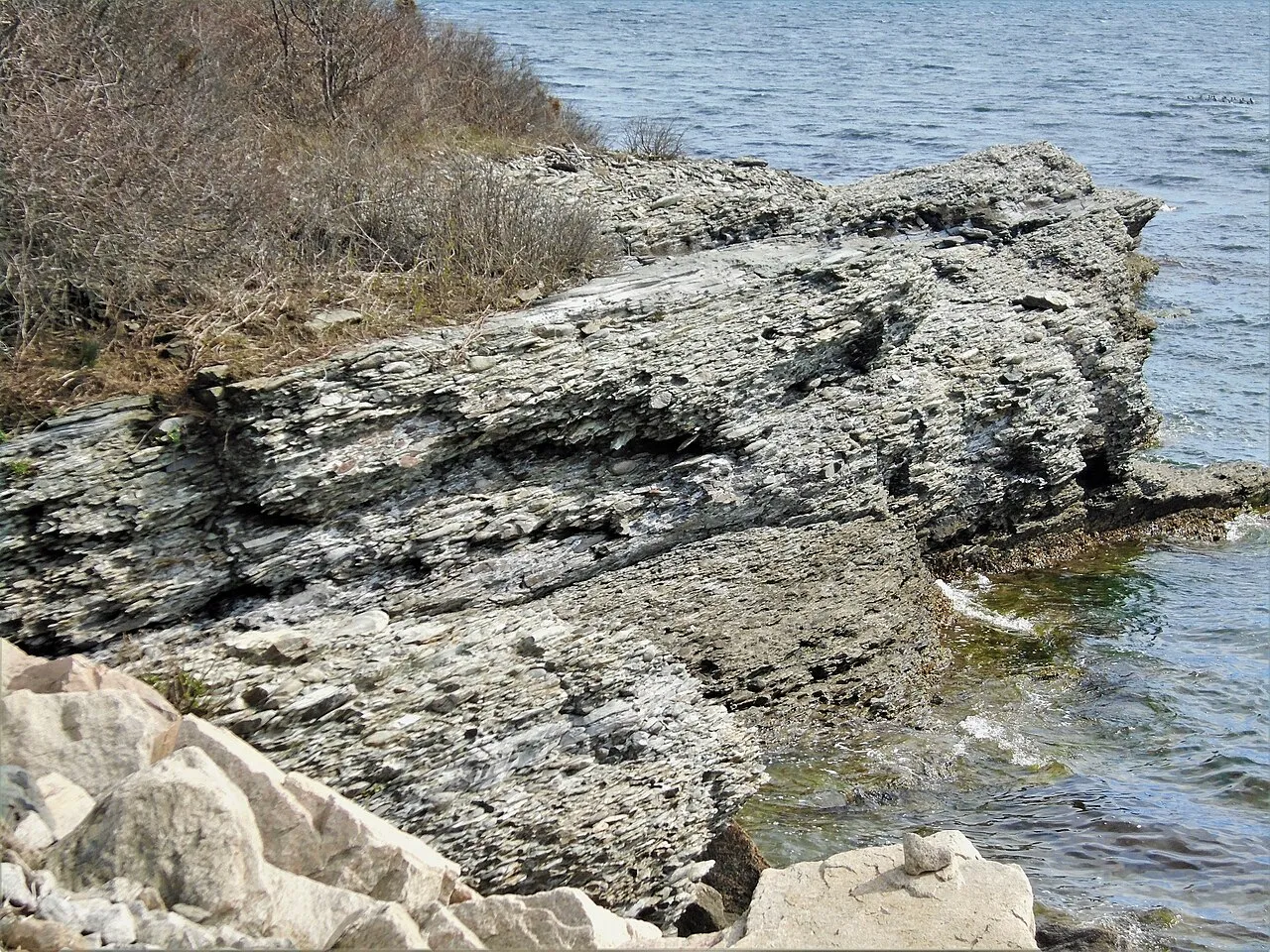
“Can I keep this?” is one of the most common questions in fossil collecting. The answer depends on where you are, what you found, and what kind of land you’re on. This guide explains it all in plain language.
Disclaimer: This guide is for educational purposes. Laws change, and local regulations may apply. When in doubt, contact the relevant land management agency before collecting.
The Big Picture
Fossil collecting legality comes down to three questions:
- Who owns the land? (Federal, state, local, or private)
- What type of fossil is it? (Invertebrate/plant vs. vertebrate)
- How are you collecting? (Casual surface collecting vs. excavation)
Federal Land Rules
The Paleontological Resources Preservation Act (PRPA), 2009
This is the most important law for fossil collectors. It governs fossil collecting on federal land managed by:
- Bureau of Land Management (BLM)
- US Forest Service (USFS)
- Bureau of Reclamation
- National Park Service (NPS)
What’s Allowed Without a Permit
Casual collecting of common invertebrate and plant fossils is permitted on BLM and National Forest land. “Casual collecting” means:
- Reasonable quantities for personal, non-commercial use
- Non-powered hand tools only (hammers, chisels, brushes — no power tools, no heavy equipment)
- No significant disturbance to the land surface
- Not in areas closed to collecting (check with the local field office)
Examples of what you CAN casually collect: brachiopods, trilobites, crinoids, bryozoans, ammonites, petrified wood (up to 25 lbs/day on BLM land, max 250 lbs/year), plant impressions, coral, shells.
What ALWAYS Requires a Permit
Vertebrate fossils — any fossil from an animal with a backbone — always require a research permit on federal land. This includes:
- Dinosaur bones and teeth
- Mammal bones (mammoth, horse, etc.)
- Fish bones and teeth (but not shark teeth — sharks are cartilaginous fish, and isolated shark teeth are often classified as invertebrate-grade fossils in practice)
- Reptile and amphibian remains
- Bird bones
Permits are only issued to qualified researchers affiliated with approved institutions. Individual hobbyists cannot get vertebrate collecting permits on federal land.
National Parks: NO Collecting
Absolutely no fossil collecting is permitted in any unit of the National Park System. This includes National Parks, National Monuments, National Seashores, and National Recreation Areas. Penalties are severe — up to $100,000 fine and imprisonment.
You may observe and photograph, but you may not collect, even loose surface material.
Penalties
Illegal collecting on federal land can result in:
- Fines up to $50,000 for first offense under PRPA
- Up to 2 years imprisonment
- $100,000+ fines in National Parks
- Forfeiture of specimens and equipment
State Land Rules
State rules vary enormously. Here’s a general overview:
States That Are Generally Collector-Friendly
- Florida — Surface collecting from waterways is widely permitted
- Ohio — Trammel Fossil Park is specifically for public collecting
- Montana — Strong tradition of private-land collecting
- Texas — Mineral Wells Fossil Park designated for public collecting
- New York — Penn Dixie is a fee-based public collecting site
States With Stricter Rules
- California — State parks prohibit collecting; many sites require commercial operators
- Utah — Strong state paleontological resource laws on state land
- Colorado — State parks prohibit collecting
General State Land Principles
- Most state parks prohibit fossil collecting unless specifically designated
- State forests and wildlife management areas vary — check specific regulations
- Many states have no explicit fossil collecting law, meaning it falls under general property law
Check our individual state pages for specific rules in each state.
Private Land
The simplest rule in fossil collecting:
Fossils found on private land belong to the landowner.
This means:
- You must have the landowner’s permission to collect
- Written permission is strongly recommended (protects both parties)
- Any agreement about who keeps what should be in writing
- The landowner can revoke permission at any time
- Significant commercial specimens (e.g., a dinosaur skeleton) can involve complex property law — consult an attorney
Many of the most important fossil discoveries in America come from private land, particularly in Montana, South Dakota, and Wyoming, where ranchers often welcome responsible collectors.
Army Corps of Engineers Land
The Army Corps manages dams, reservoirs, and surrounding land across the US. Rules vary by district:
- Caesar Creek Dam (Ohio) — collecting from gravel bars allowed, no bedrock excavation
- Other Corps sites — check with the local district office
- Generally more restrictive than BLM land
Navigable Waterways
In most states, navigable rivers and their beds are considered public. This means:
- Wading in a public river and collecting from the riverbed is generally legal
- This is how much Peace River (Florida) and Brazos River (Texas) collecting works
- However, you cannot cross private land to access the river without permission
Ethical Collecting
Beyond what’s legal, responsible collectors follow these principles:
- Leave sites better than you found them — fill holes, don’t leave trash
- Don’t over-collect — take representative specimens, not everything you see
- Report significant finds — if you find something unusual (especially vertebrate material), contact your state geological survey or a local museum
- Share knowledge — the hobby thrives when collectors share information about sites and finds
- Respect closures — if a site is closed, it’s closed for a reason
- Don’t sell misrepresented specimens — if you sell fossils, be honest about provenance and identification
Quick Reference
| Land Type | Invertebrate/Plant Fossils | Vertebrate Fossils |
|---|---|---|
| BLM / National Forest | Casual collecting allowed | Permit required (researchers only) |
| National Parks | NO | NO |
| State Parks | Varies by state | Usually no |
| Private Land | With owner permission | With owner permission |
| Navigable Waterways | Generally yes | Varies |