Fossil Identification Guide
Found something and wondering what it is? Browse our visual identification guides for the most common fossil types found across the United States.
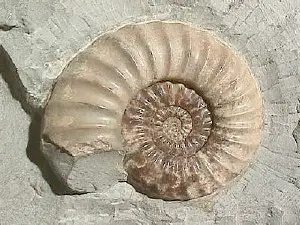
Ammonites
Devonian to Cretaceous (419-66 million years ago)
Extinct cephalopods with distinctive coiled shells and intricate suture patterns. Ammonites are among the most recognizable fossils in the world, found across the United States in marine sedimentary rocks from the Devonian through the end of the Cretaceous.
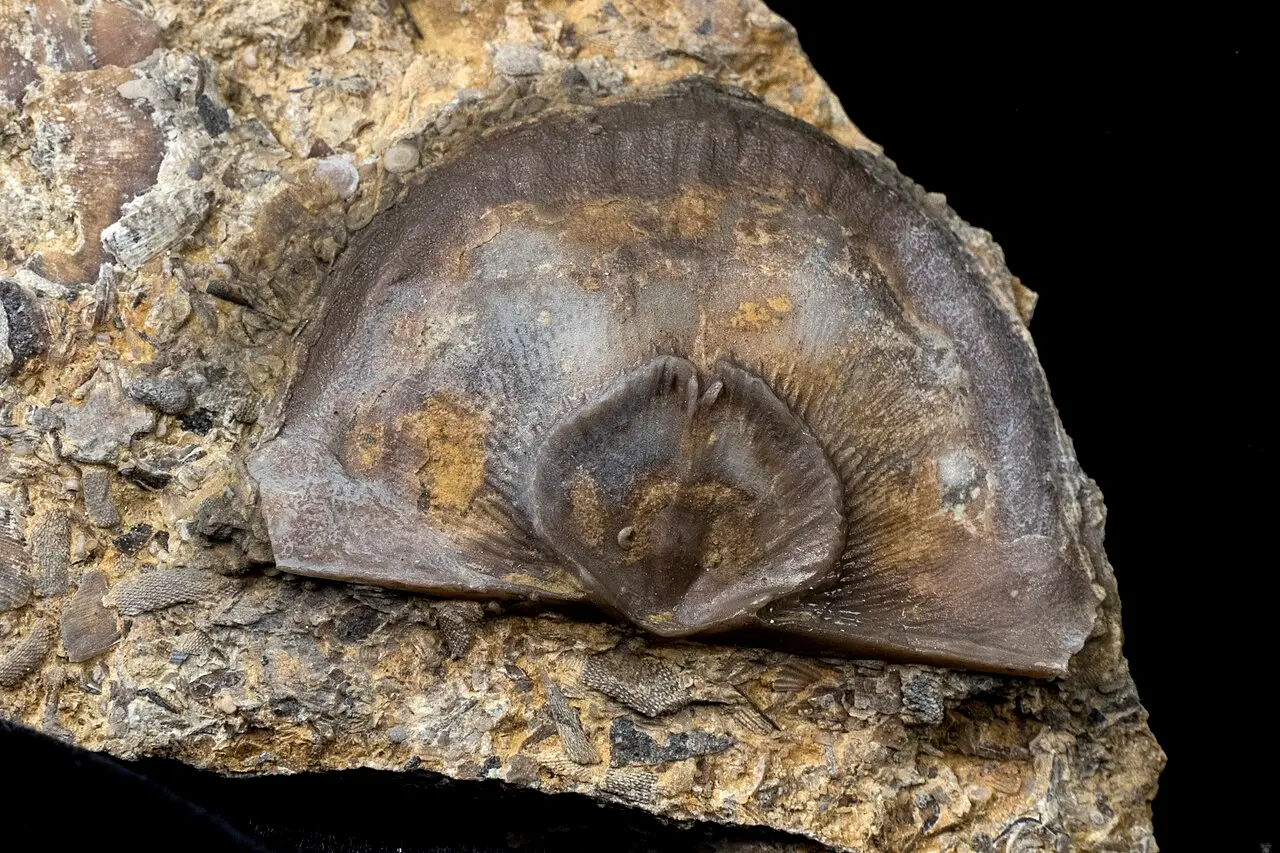
Brachiopods
Cambrian to present (521-0 million years ago, mostly Paleozoic)
Marine animals with two-valved shells that superficially resemble clams but belong to an entirely different phylum. Brachiopods were dominant members of Paleozoic sea floors and are among the most common fossils found in the eastern and central United States.
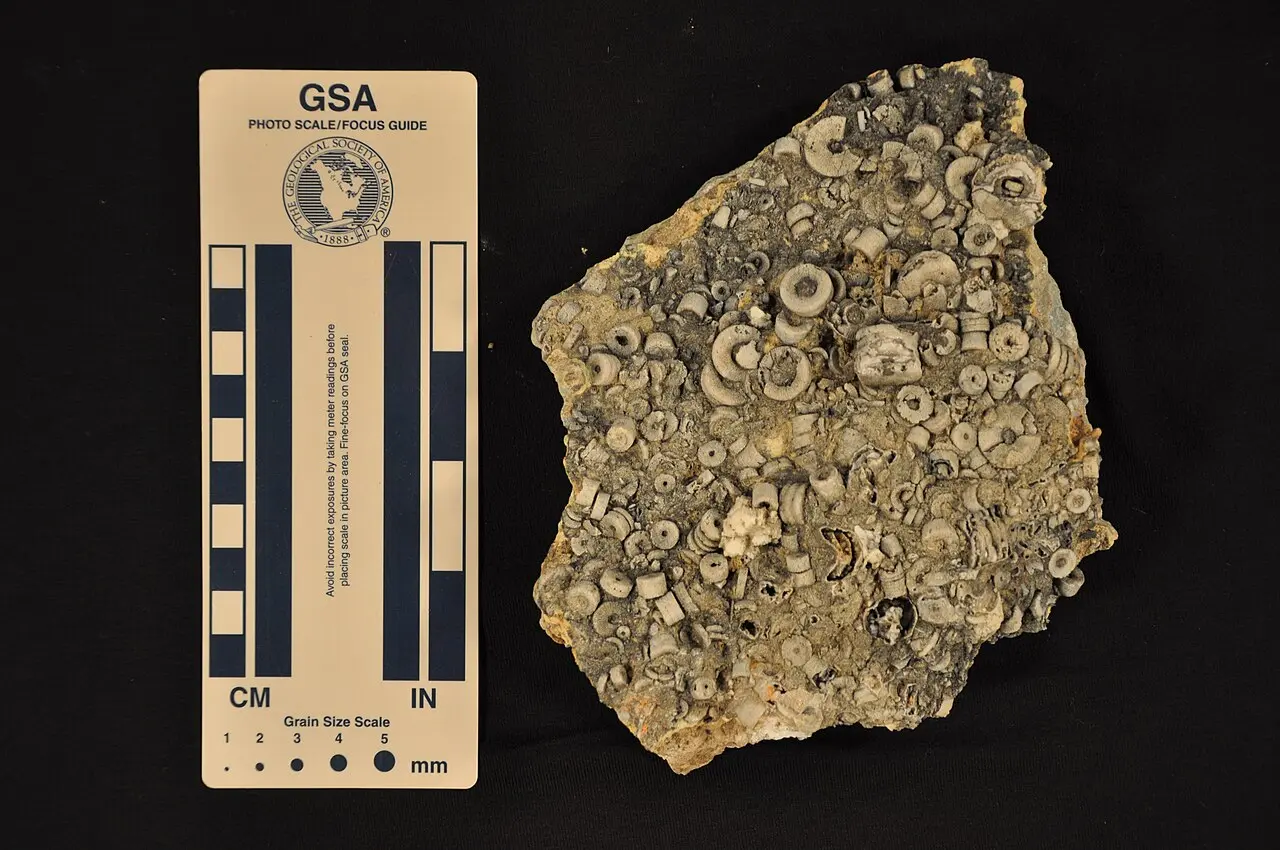
Crinoids
Ordovician to present (485-0 million years ago)
Marine echinoderms commonly called sea lilies, related to starfish and sea urchins rather than plants. Crinoid stem segments are among the most abundant fossils in Paleozoic limestones across the American Midwest.
Dinosaur Bone
Triassic to Cretaceous (230-66 million years ago)
How to identify fossilized dinosaur bone, including the tongue test, cross-section texture, weight, color, and how to distinguish real bone from petrified wood, ironstone, and volcanic rock.
Dinosaur Tracks
Triassic to Cretaceous (230-66 million years ago)
How to identify fossilized dinosaur tracks and trackways, including theropod, sauropod, and ornithopod prints, with guidance on distinguishing real tracks from natural erosion features.
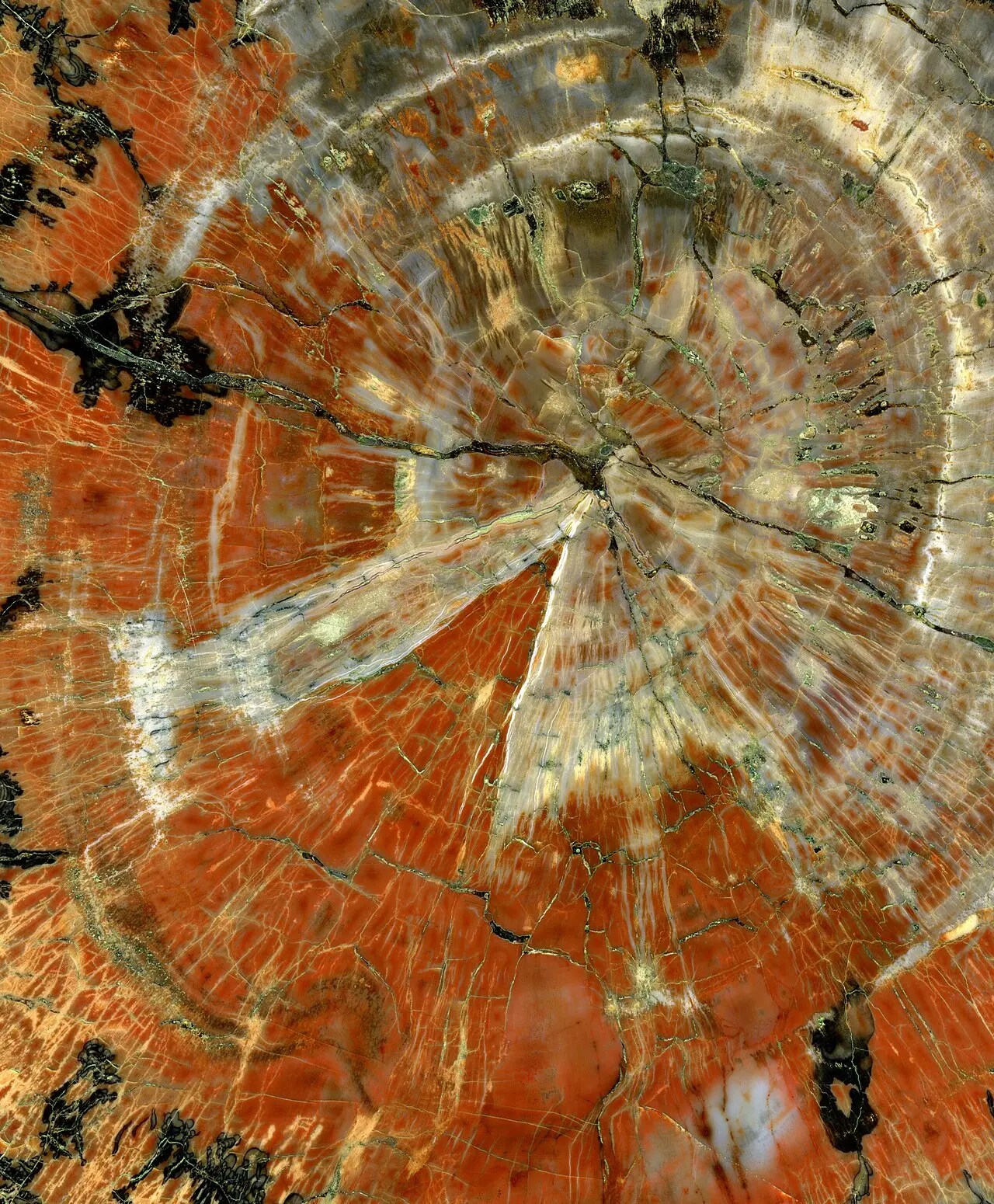
Petrified Wood
Various periods (most collected specimens are Triassic to Miocene, 252-5 million years ago)
Fossil wood in which the original organic material has been replaced by minerals, most commonly silica (quartz), preserving the tree's cellular structure in stone. Petrified wood is found across the western and southern United States and is one of the most visually striking fossils a collector can find.
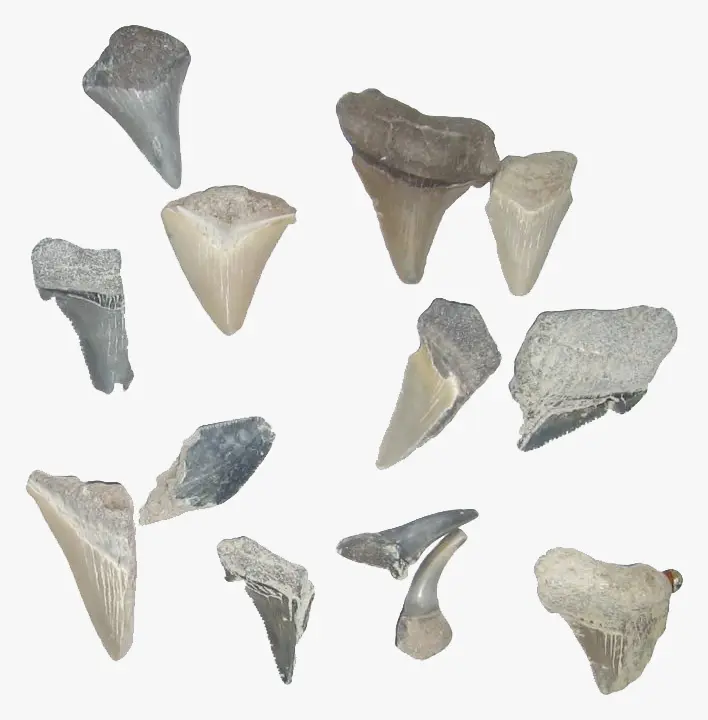
Shark Teeth
Devonian to present (419-0 million years ago)
Fossilized teeth from sharks and their relatives, preserved because shark skeletons are cartilage but their teeth are made of durable enameloid and dentine. Shark teeth are among the most accessible and widely collected fossils in the United States.
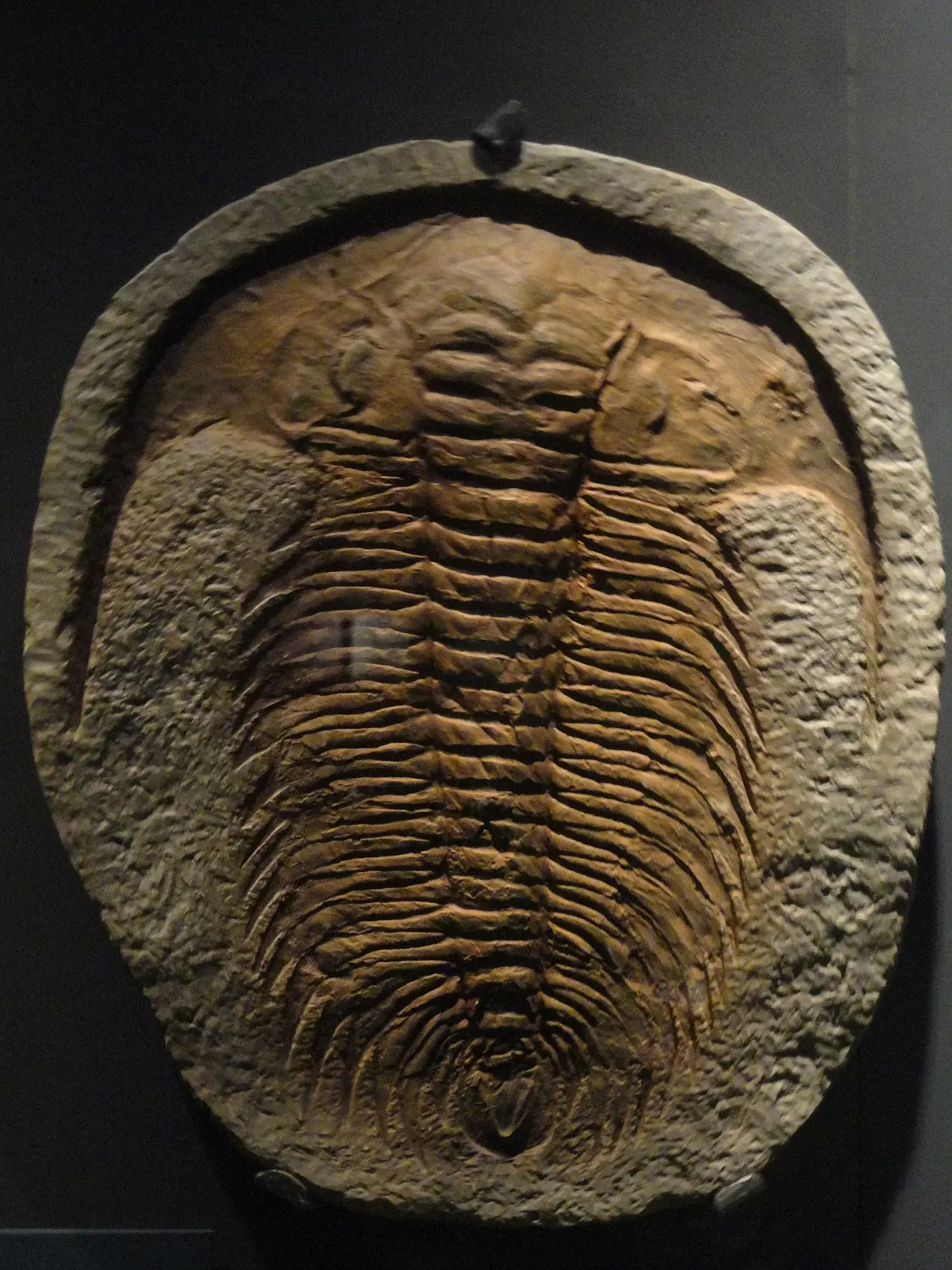
Trilobites
Cambrian to Permian (521-252 million years ago)
Ancient marine arthropods with segmented bodies and compound eyes. Among the most popular fossils for collectors, found across many US states in rocks from Cambrian to Permian age.