Fossil Hunting in Illinois
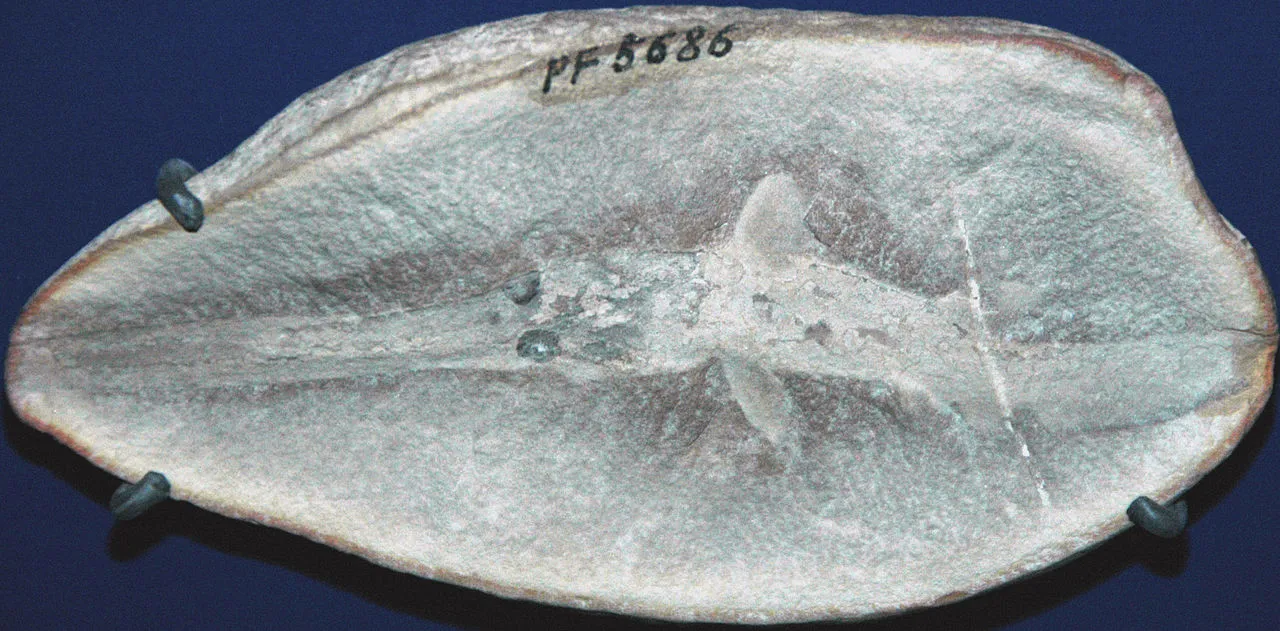
Illinois is home to one of the most celebrated fossil localities on Earth: Mazon Creek. The ironstone concretions from former strip mines near Braidwood preserve a Pennsylvanian-age ecosystem in astonishing detail — soft-bodied animals, delicate insect wings, and intricate fern fronds that would be lost at nearly any other site. Add in productive Mississippian crinoid beds and Ordovician marine exposures, and Illinois is a state no serious collector should overlook.
Why Illinois?
Around 309 million years ago, during the Pennsylvanian Period, the area around what is now Braidwood, Illinois sat near the equator at the edge of a tropical coastal swamp. Rivers carried sediment into a shallow sea, and organisms that died in the nearshore waters were quickly buried in mud. As the sediment compacted, ironstone concretions formed around the entombed organisms, creating natural three-dimensional molds that preserved details down to insect wing venation, jellyfish tentacles, and the soft anatomy of worms.
When 20th-century coal strip mining operations excavated through the Francis Creek Shale that contains these concretions, billions of them were brought to the surface in spoil piles. Collectors have been splitting them open ever since, discovering an unparalleled snapshot of Pennsylvanian life.
The most famous Mazon Creek fossil is the Tully Monster (Tullimonstrum gregarium), Illinois’ state fossil. This bizarre soft-bodied animal — with a long proboscis ending in a toothed claw and eyes on stalks — has no close modern relatives, and its classification (vertebrate or invertebrate?) remains debated by scientists to this day.
Beyond Mazon Creek, Illinois also offers excellent Mississippian-age crinoid and brachiopod collecting along the Mississippi River bluffs, and Ordovician marine fossils in the northwestern part of the state.
What You’ll Find
Mazon Creek Pennsylvanian fossils (~309 million years ago):
The Mazon Creek biota is divided into two ecological assemblages:
Essex fauna (marine/nearshore):
- Tully Monster (Tullimonstrum gregarium) — the iconic enigmatic animal found nowhere else on Earth
- Jellyfish — multiple species with tentacles and internal anatomy preserved
- Shrimp (Essexella) — the most common Essex fauna fossil
- Horseshoe crabs — well-preserved with appendages visible
- Worms — polychaete worms with preserved setae (bristles)
- Fish — small sharks and bony fish
- Cephalopods — nautiloids and other marine predators
Braidwood flora and fauna (terrestrial/freshwater):
- Fern fronds — complete pinnate fronds with sporangia visible, including Pecopteris, Neuropteris, and Alethopteris
- Seed fern foliage — Neuropteris is one of the most common plant fossils
- Lycopsid bark — patterned bark fragments from giant club moss trees (Lepidodendron, Sigillaria)
- Insect fossils — cockroaches, dragonfly relatives, and other Pennsylvanian insects
- Calamites — stems of giant horsetail relatives
- Spiders and scorpions — rare but recorded
Mississippian fossils (~340-320 million years ago):
- Crinoid stems and calyxes — the Burlington Limestone produces world-class crinoid material; complete calyxes are exceptional finds
- Blastoids — Pentremites is the signature genus
- Brachiopods — Spirifer, Composita, and Productus are common
- Horn corals — solitary rugose corals
- Bryozoans — fenestrate (lace) and ramose (branching) forms
Ordovician fossils (~450 million years ago):
- Straight-shelled cephalopods (orthoceras-type nautiloids)
- Brachiopods and bryozoans
- Gastropods and trilobite fragments
Best Time to Visit
- Spring (March-May): Freeze-thaw cycles over winter crack concretions free from spoil pile matrix and wash new material into drainage channels. Early spring after snowmelt is prime Mazon Creek hunting time.
- After heavy rain: Rain erodes spoil piles and concentrates ironstone concretions in low spots and creek drainages. Visit a day or two after a good rain for the freshest picking.
- Fall (September-November): Pleasant temperatures and good visibility as vegetation dies back on spoil piles.
- Avoid midsummer: Dense vegetation on spoil piles makes it hard to spot concretions. Heat and mosquitoes add to the discomfort.
Tips for Illinois Collecting
- Learn to identify productive concretions. Not every ironstone concretion contains a fossil. Concretions that are slightly flattened (lens-shaped rather than perfectly round) are more likely to contain specimens. With practice, you develop an eye for the shape and weight of productive nodules.
- Split concretions along the long axis. Place the concretion on a hard surface, position a chisel or the edge of a rock hammer along the equator (the widest point), and strike firmly. The concretion should split into two halves, revealing the fossil impression. Check both halves — the positive and negative impressions are both worth keeping.
- Carry a bucket and newspaper. Collect promising concretions in a bucket and split them at home if you prefer. Wrap split halves in newspaper to protect the fossil surfaces during transport.
- Hunt the drainage channels. Rain washes concretions downhill from spoil piles into gullies and drainage channels. These low spots often concentrate the best concretions — look for lines of brown ironstone nodules along water flow paths.
- Be patient with Tully Monsters. Tully Monsters are not rare, but they are not the most common find either. A day of collecting may yield fern fronds and shrimp before you crack open a concretion with the distinctive long-proboscis outline. They are worth the wait.
- Try the Grafton area for crinoids. If you want a change of pace from concretion splitting, the Mississippian limestone bluffs along the Mississippi River near Grafton produce beautiful crinoid stems, brachiopods, and corals. The Great River Road (Route 100) is one of the most scenic drives in Illinois and passes through excellent collecting territory.
- Visit the Field Museum. The Field Museum in Chicago houses one of the world’s premier Mazon Creek fossil collections, including Tully Monsters, soft-bodied animals, and spectacular plant specimens. Seeing professionally prepared specimens helps you know what to look for in the field.
- Report unusual finds. If you find something unusual — a complete fish, an unknown soft-bodied organism, a vertebrate — consider contacting the Field Museum or the Illinois State Geological Survey. Mazon Creek continues to yield species new to science, and your find could contribute to our understanding of Pennsylvanian life.
Collecting Sites
Mazon Creek Area — Braidwood / Pit 11
Free Public AccessBraidwood, Will County
The world-famous Mazon Creek fossil locality. Ironstone concretions containing exquisitely preserved Pennsylvanian-age organisms (~309 million years old) erode from spoil piles of former strip mines. Crack open concretions to reveal fern fronds, insect wings, jellyfish, and the enigmatic Tully Monster — Illinois' state fossil. The area around the former Pit 11 (now part of the Braidwood area) is the classic collecting locality. Some areas are now within Mazonia-Braidwood State Fish and Wildlife Area.
Mazonia-Braidwood State Fish and Wildlife Area
Free Public AccessBraceville, Grundy County
This state-managed wildlife area encompasses former strip mine land where Mazon Creek concretions are found. Fossil collecting from loose concretions on the surface is permitted. Walk the spoil pile ridges and creek drainages after rain to find freshly eroded concretions. Split them open with a hammer to reveal the fossils inside.
Pit 11 Area (Will County Forest Preserve)
Free Public AccessBraidwood, Will County
The historic Pit 11, one of the most productive Mazon Creek collecting spots, is now partly within the Will County Forest Preserve system. Concretions continue to weather out of spoil piles. Best hunting is on bare soil and in drainage channels where rain concentrates concretions.
Grafton Area — Mississippi River Bluffs
Free Public AccessGrafton, Jersey County
Mississippian-age Burlington and Keokuk Limestone exposures along the Mississippi River bluffs near Grafton yield abundant crinoid stems, brachiopods, and corals. Road cuts along the Great River Road (Route 100) are productive. Some of the best crinoid material in the Midwest comes from this region.
Hamilton Quarry Area
Free Public AccessHamilton, Hancock County
Mississippian limestone quarries and road cuts in the Hancock County area near Hamilton expose Burlington and Warsaw Formation fossils. Crinoid columns and calyxes, brachiopods, and colonial corals are common in spoil piles and loose talus.
Galena Area
Free Public AccessGalena, Jo Daviess County
Exposures of the Ordovician Galena Dolomite in the Galena area of northwestern Illinois contain large straight-shelled cephalopods, brachiopods, and other marine invertebrates from approximately 450 million years ago. Road cuts and stream banks in the driftless area provide collecting opportunities.
Legal Rules for Illinois
Illinois is generally collector-friendly for hobbyists. Surface collecting of fossils from road cuts, stream beds, and public rights-of-way is permitted. At Mazonia-Braidwood State Fish and Wildlife Area, collecting loose concretions from the surface is allowed — do not dig or excavate. Other state parks and natural areas may prohibit collecting, so check specific site rules. The Will County Forest Preserve allows fossil collecting in designated areas. Strip mine spoil piles on private land require landowner permission. Illinois does not require a state fossil collecting permit for personal hobby collecting. Always get permission before entering private property.
Read our full legal guide for federal laws and more details.
Key Geological Formations
- Francis Creek Shale / Carbondale Formation (Pennsylvanian)
- Burlington Limestone (Mississippian)
- Galena Dolomite (Ordovician)
- Niagaran Series (Silurian)
- Pennsylvanian coal measures