Fossil Hunting in Indiana
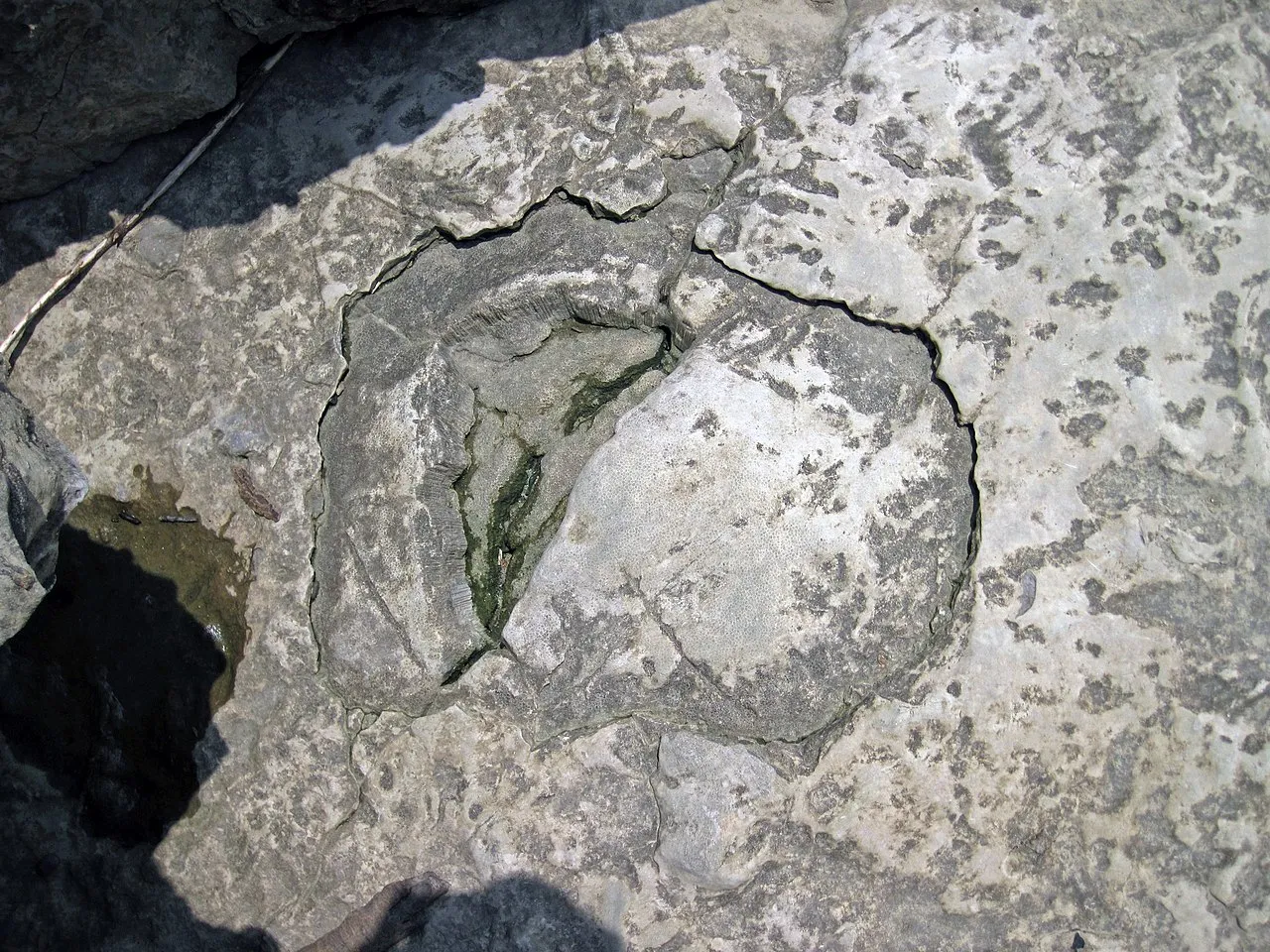
Indiana might not be the first state that comes to mind for fossil collecting, but it deserves a place on every collector’s list. The Falls of the Ohio is one of the most impressive fossil exposures on Earth, and the state’s Silurian, Devonian, and Mississippian formations produce abundant, well-preserved marine invertebrates that are perfect for beginners.
Why Indiana?
Indiana’s bedrock tells the story of when the Midwest was covered by warm, shallow tropical seas. From the Silurian through the Mississippian periods — roughly 440 to 320 million years ago — Indiana was positioned near the equator, and its seafloors teemed with corals, crinoids, brachiopods, and trilobites. As the seas advanced and retreated, layer after layer of fossiliferous limestone and shale was deposited.
Today, these rocks are exposed by rivers, road construction, and quarrying across central and southern Indiana. The gentle topography and extensive road network mean that fossil-bearing outcrops are easy to find and easy to reach — no desert backroads or mountain hikes required.
The crown jewel is the Falls of the Ohio, where the Ohio River has scoured away overlying sediment to reveal a 390-acre expanse of Devonian reef rock. Walking across this fossil bed at low water is like stepping onto an ancient seafloor — massive coral heads, dense brachiopod accumulations, and branching bryozoans are everywhere, still in their original life positions.
What You’ll Find
Silurian marine fossils (~430 million years ago):
- The Waldron Shale is famous for its superbly preserved fauna
- Brachiopods — multiple genera including Leptaena, Platystrophia, and Strophodonta, often with both valves intact
- Crinoid stems and calyxes — segments are common; complete calyxes are prize finds
- Trilobites — Calymene and Dalmanites occasionally found enrolled or complete
- Bryozoans — lace-like and branching forms
- Gastropods — small coiled snails
Devonian reef fossils (~385 million years ago):
- Rugose (horn) corals — solitary and colonial forms, sometimes preserved with original growth structure
- Tabulate corals — Favosites (honeycomb coral) is extremely common at the Falls of the Ohio and other Devonian exposures
- Colonial corals — massive heads of Hexagonaria and other genera
- Brachiopods — Mucrospirifer and Atrypa are common Devonian forms
- Crinoid stems — round disc-shaped segments found everywhere in Devonian limestone
Mississippian fossils (~340-320 million years ago):
- Crinoids — Indiana was once called the “crinoid capital” because of the abundance and variety of species in Mississippian limestones
- Blastoids — Pentremites is the classic Indiana blastoid
- Brachiopods — Composita and Spirifer are common
- Bryozoans — fenestrate (lace) and ramose (branching) forms
Best Time to Visit
- Late summer and fall (August-November): The Ohio River typically reaches its lowest levels in late summer and early fall, exposing the maximum area of fossil beds at the Falls of the Ohio. Check the USGS river gauge at Louisville before planning a trip.
- After heavy rain: Creek beds and road cuts expose fresh material. The Waldron Shale weathers quickly, so rain washes out new fossils regularly.
- Spring (March-May): Freeze-thaw cycles over winter crack open new shale, and spring rains clean off exposures. However, the Ohio River tends to be high in spring, limiting access at the Falls.
- Avoid river flood stage: The Falls of the Ohio fossil beds are underwater when the Ohio River is high. Check water levels before visiting.
Tips for Indiana Collecting
- Check Ohio River levels before visiting the Falls. The fossil beds are only exposed when the river is at or below approximately 10 feet on the McAlpine Dam gauge. The USGS Water Resources site provides real-time data. Low-water periods typically occur in late summer through fall.
- Wear water shoes or boots with good grip. The Falls of the Ohio bedrock is wet, uneven, and covered in algae. Slipping on a coral head is no fun. Hiking sandals with good tread work well.
- Bring a hand lens. Many Indiana fossils show exquisite surface detail — the septa of horn corals, the lophophore impressions of brachiopods, the cellular structure of tabulate corals. A 10x hand lens reveals a hidden world.
- Split Waldron Shale carefully. The shale is soft and breaks easily along bedding planes. Use a thin chisel and light hammer taps. Brachiopods often weather out naturally and can be collected loose.
- Visit the Falls of the Ohio Interpretive Center. The museum explains the geology and ecology of the ancient reef and displays fossils from the site. It provides context that makes the bedrock walk much more meaningful.
- Explore creek beds in southern Indiana. Countless small creeks between Bloomington and the Ohio River cut through Mississippian and Devonian limestones. Walk the gravel bars and look for weathered-out fossils.
- Connect with local clubs. Indiana collectors are welcoming and knowledgeable. Local gem and mineral societies often organize field trips to road cuts and quarries that are not well known to outsiders.
- Bring containers of varied sizes. Indiana fossils range from tiny brachiopods to large coral heads. Small zip-lock bags for delicate specimens and a bucket for larger corals will serve you well.
Collecting Sites
Falls of the Ohio State Park
Public (Fee)Clarksville, Clark County
One of the world's largest naturally exposed Devonian fossil beds, spanning 390 acres of riverbed along the Ohio River. When river levels are low, massive coral heads, brachiopod-packed limestone, and colonial coral colonies are visible in the bedrock. Collecting from the exposed bedrock is NOT permitted — this is a protected fossil site. However, loose fossils in the river gravel may be collected (check current park rules). The interpretive center is excellent.
Waldron Shale Road Cuts
Free Public AccessWaldron, Shelby County
The type locality of the Waldron Shale, a Middle Silurian formation renowned for its diverse and beautifully preserved marine fauna. Road cuts and creek exposures near the town of Waldron reveal fossiliferous shale and thin limestone layers. Brachiopods are abundant and well preserved. This is one of Indiana's classic collecting localities.
Pipe Creek Junior Quarry
Free Public AccessGrant County
An abandoned quarry that exposes Mississippian-age limestones rich in crinoids and blastoids. The site has been known to collectors for decades and continues to produce quality specimens after rains wash new material out of the spoil piles.
St. Paul Road Cuts
Free Public AccessSt. Paul, Decatur County
Road cuts along highways near St. Paul expose Silurian formations similar to the Waldron Shale. Weathered material along the road shoulders yields abundant brachiopods and crinoid fragments.
Charlestown State Park
Public (Fee)Charlestown, Clark County
Hiking trails along Fourteen Mile Creek expose Devonian limestone rich in fossils. Similar fauna to the Falls of the Ohio but in a forested creek setting. Surface collecting of loose material along creek beds is generally tolerated, but check current state park rules.
Mississinewa Reservoir Area
Free Public AccessPeru, Miami County
Glacial till around the Mississinewa Reservoir area contains reworked Devonian fossils transported by Pleistocene glaciers. Corals and brachiopods can be found in stream beds and exposed gravel deposits.
Legal Rules for Indiana
Indiana allows surface collecting of fossils from most public road cuts, stream beds, and public rights-of-way. Falls of the Ohio State Park protects its fossil beds — collecting from bedrock is prohibited, and rules about loose gravel specimens change, so check with park staff before collecting. Indiana state parks generally prohibit removing natural materials, but specific sites may have exceptions. Always get permission before collecting on private property. Indiana does not require a state fossil collecting permit for hobbyists. Many of the best Waldron Shale exposures are on road rights-of-way, which is public land.
Read our full legal guide for federal laws and more details.
Key Geological Formations
- Jeffersonville Limestone (Middle Devonian)
- Waldron Shale (Middle Silurian)
- Borden Group (Mississippian)
- St. Louis Limestone (Mississippian)
- New Albany Shale (Late Devonian)
Local Fossil Clubs & Museums
- Indiana Society of Paleontology
- Falls of the Ohio Foundation
- Indiana State Museum
- Evansville Lapidary Society
- Central Indiana Gem and Mineral Society