Fossil Hunting in Ohio
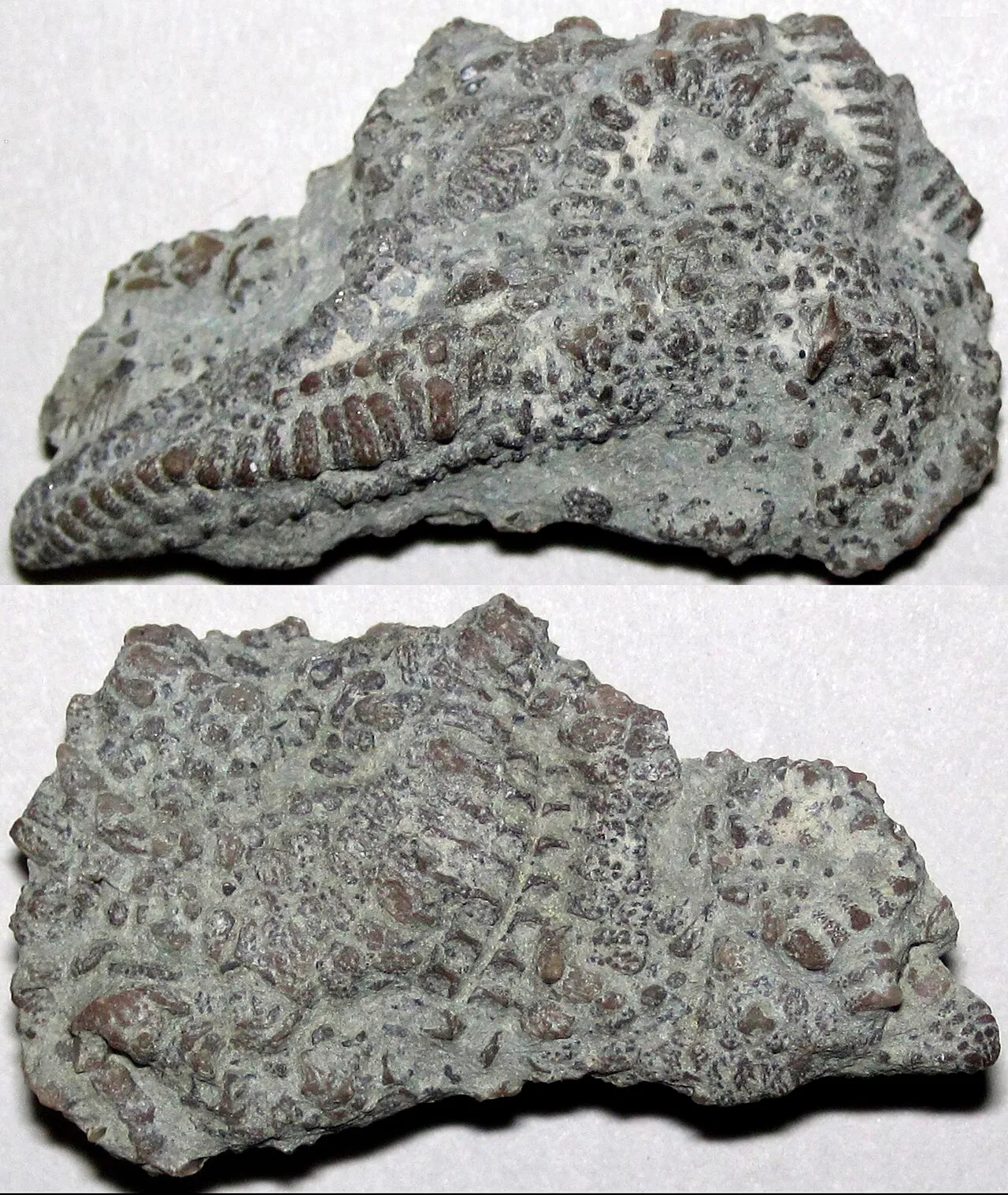
Ohio is a world-class destination for Ordovician fossils. The Cincinnati region in particular is internationally famous among paleontologists for its exceptionally preserved marine fauna from approximately 450 million years ago.
Why Ohio?
During the Late Ordovician, Ohio was covered by a shallow tropical sea teeming with life. The Cincinnati Arch — a broad geological uplift — brings these ancient rocks to the surface across southwestern Ohio, northern Kentucky, and southeastern Indiana. This is one of the most fossil-rich Ordovician exposures anywhere on Earth.
The best part? Many of Ohio’s top collecting sites are free and open to the public.
What You’ll Find
Ordovician marine fossils (~450 million years old):
- Trilobites — Flexicalymene meeki (Ohio’s state fossil) and Isotelus maximus are the stars
- Brachiopods — Dozens of species, often beautifully preserved with shell detail
- Bryozoans — Lace-like colonial animals, extremely abundant
- Crinoid stems — Disc-shaped segments from “sea lilies”
- Horn corals (Rugosa) — Solitary and colonial forms
- Gastropods — Ancient snail shells
- Cephalopods — Straight-shelled nautiloid cones
Devonian fossils (northern Ohio, ~380 million years old):
- Tabulate and rugose corals (spectacularly preserved in the Silica Shale)
- Brachiopods and crinoids
- Trilobites (Phacops is the classic Devonian trilobite)
Best Time to Visit
- Spring (March-May): Freeze-thaw cycles over winter crack open new fossil-bearing rock
- After heavy rain: Erosion exposes fresh material
- Fall: Pleasant temperatures, low water in creeks
Tips for Ohio Collecting
- Bring a chisel and rock hammer — Ordovician limestone splits beautifully along bedding planes
- Look for weathered-out specimens first — loose material on the surface is often the best quality
- Check creek beds — water erosion constantly exposes new fossils
- Split thin limestone layers — trilobites are often found between bedding planes
- Bring newspaper — wrap delicate specimens for the trip home
Collecting Sites
Trammel Fossil Park
Free Public AccessSharonville, Hamilton County
A dedicated public fossil collecting park — one of the only ones in the country. Exposed Ordovician shale and limestone beds are specifically maintained for collectors. Excellent for families and beginners.
Caesar Creek State Park / Caesar Creek Dam
Free Public AccessWarren County
The spillway area below the dam exposes excellent Ordovician fossils. Collect from the gravel bars and exposed bedrock along the creek. The Army Corps of Engineers manages the area — collecting from loose material is allowed, but don't dig into bedrock.
Hueston Woods State Park
Free Public AccessPreble County
Ordovician exposures along creek beds in the park. Good for a casual collecting trip combined with hiking.
Sylvania Area
Free Public AccessLucas County (near Toledo)
Silica Shale exposures in road cuts and quarry spoil piles yield beautifully preserved Devonian fossils, including some of the best silicified corals in the world.
Legal Rules for Ohio
Ohio is generally collector-friendly. Surface collecting of fossils is permitted in state parks from natural exposures — do not dig or use tools in state parks. Caesar Creek Dam is managed by the Army Corps of Engineers and allows collecting from gravel bars but not bedrock excavation. Trammel Fossil Park explicitly encourages collecting. Road cut collecting is legal but use caution near traffic. Always get permission before collecting on private property. Ohio has no state-level fossil collecting permit requirement for hobbyists.
Read our full legal guide for federal laws and more details.
Key Geological Formations
- Cincinnatian Series (Upper Ordovician)
- Devonian Ohio Shale
- Silurian formations
- Pennsylvanian coal measures
Local Fossil Clubs & Museums
- Dry Dredgers
- Cincinnati Fossil Hunters
- Cleveland Museum of Natural History
- Orton Geological Museum (Ohio State)