Fossil Hunting in Oregon
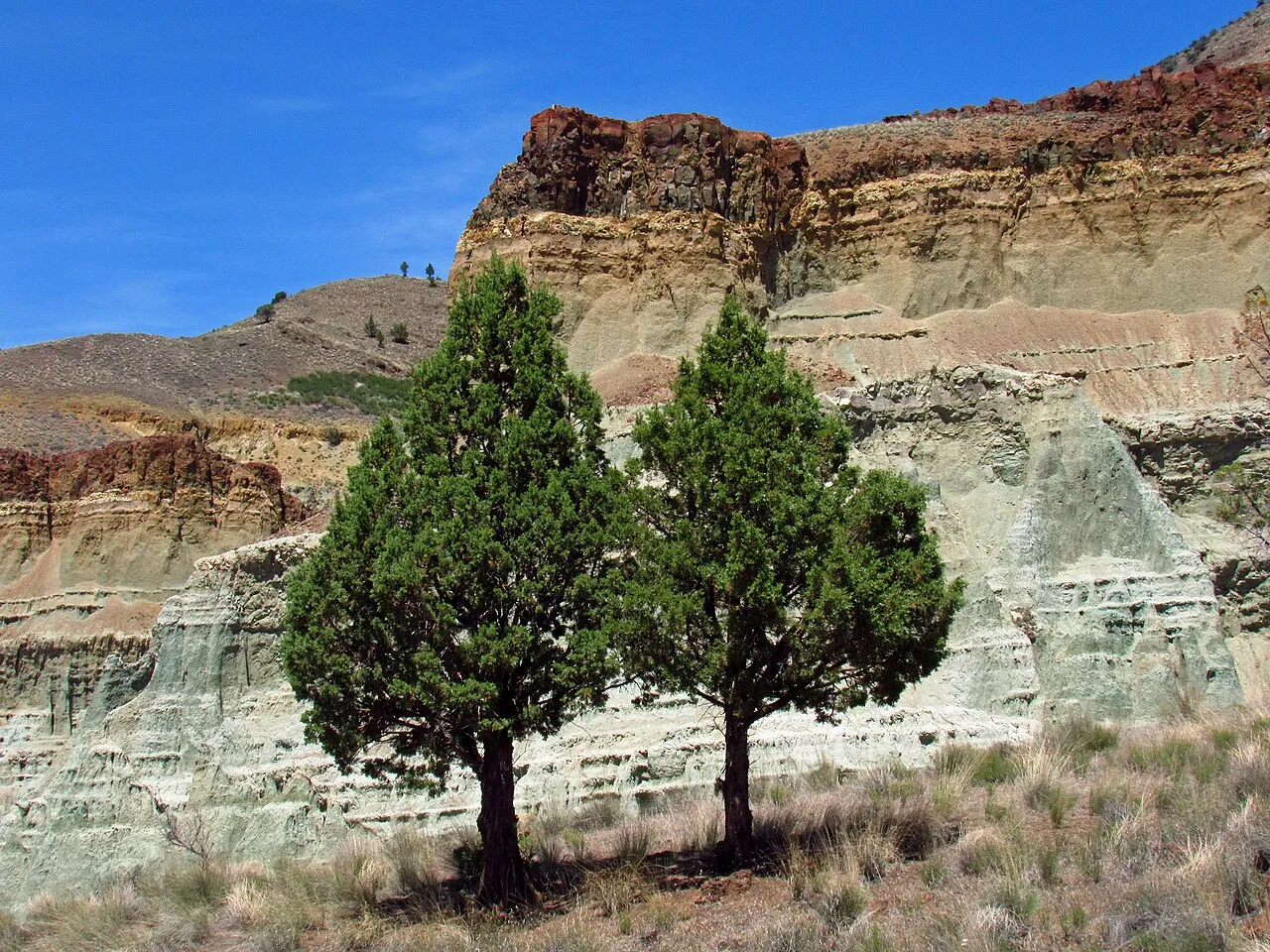
Oregon is a state where geology is written dramatically across the landscape — from the Painted Hills’ banded badlands to the wave-battered sea cliffs of the coast. The fossil record here spans tropical Eocene forests, Oligocene-Miocene savannas teeming with ancient horses and oreodonts, and Miocene seas full of crabs and whales.
Why Oregon?
Central Oregon’s high desert preserves one of the most complete records of Cenozoic mammal evolution in the world. The John Day Basin has been studied by paleontologists since the 1860s, yielding fossils of saber-toothed cats, tiny three-toed horses, bear-dogs, and rhinoceros-like animals that roamed Oregon between 7 and 45 million years ago. While the national monument protects these deposits from collecting, the surrounding region offers legal collecting opportunities on BLM land and at the public dig site in the town of Fossil.
On the coast, Miocene marine formations erode from sea cliffs at Beverly Beach and other locations, depositing fossil shells, crab remains, and occasional whale bones on the sand. Inland, petrified wood from ancient volcanic environments is abundant — Richardson’s Rock Ranch near Madras is a favorite destination.
Oregon rewards collectors who do their homework. The best sites are spread across a large state with varied terrain, so planning is essential.
What You’ll Find
Oligocene-Miocene plant fossils (~25-35 million years old):
- Leaf impressions — Metasequoia (dawn redwood), maple, oak, alder, and ginkgo at the Fossil public dig site
- Petrified wood — Agatized wood from volcanic ash beds, stunning colors
- Seed pods and fruits — Occasionally preserved in shale
Miocene marine fossils (~15-20 million years old, coast):
- Gastropods — Turritella and other marine snails, common at Beverly Beach
- Bivalves — Clams, scallops, and mussels
- Crab fossils — Metacarcinus and other genera, often well-preserved
- Barnacles — Encrusting rocks and shells
- Whale bone fragments — Rare but found along eroding sea cliffs
Eocene-Miocene mammals (viewing only at John Day Fossil Beds):
- Oreodonts, ancient horses, saber-toothed nimravids, bear-dogs, rhino-like titanotheres
- These fossils cannot be collected but are on spectacular display at the Thomas Condon Paleontology Center
Best Time to Visit
- Late spring (May-June): Roads to central Oregon sites are clear; weather is warm but not hot
- Fall (September-October): Dry conditions in central Oregon make for ideal collecting; Beverly Beach has calmer seas between storm seasons
- Winter storms (coast): Winter waves erode fresh material from sea cliffs, but collecting can be dangerous — watch the surf carefully
- Summer: Good for Richardson’s Rock Ranch and the Fossil dig site; the coast can be foggy
Tips for Oregon Collecting
- Visit John Day Fossil Beds first — even though you cannot collect there, seeing the exhibits trains your eye for what the region’s fossils look like
- The town of Fossil is a hidden gem — the free public dig site behind the high school is one of the best places in the country to collect leaf fossils
- Bring proper tools to Fossil — a rock hammer, chisel, and newspaper for wrapping delicate leaf shale are essential
- Time your Beverly Beach visit with tides — low tide exposes the most beach area and wave-cut platform; check tide tables
- Never turn your back on the ocean — Oregon’s coast has dangerous sneaker waves; always watch the surf while collecting
- Carry a BLM map in central Oregon — land ownership is a patchwork of BLM, state, private, and tribal land; know where you are
- Book Richardson’s Rock Ranch in advance — it is popular and has limited seasonal hours
- Dress in layers — Oregon weather changes rapidly, especially in the high desert where mornings are cold and afternoons are hot
Collecting Sites
Richardson's Rock Ranch
Commercial Dig SiteMadras, Jefferson County
A well-known fee-dig site east of Madras where you can collect petrified wood and thundereggs from Cenozoic volcanic deposits. The ranch provides tools and guidance. Open seasonally — check their schedule before visiting. An excellent family-friendly option.
Beverly Beach State Park
Free Public AccessNewport, Lincoln County
The sea cliffs and wave-cut terraces at Beverly Beach expose Miocene-age Astoria Formation marine sediments. Fossils erode from the cliffs onto the beach. Collect only from fallen material on the beach — do not dig into the cliffs. Snail and clam shells are common; crab fossils and occasional vertebrate fragments turn up.
Fossil (town), Wheeler County
Free Public AccessFossil, Wheeler County
The town of Fossil maintains a public collecting site behind Wheeler High School where visitors can dig Oligocene-age leaf fossils from shale beds. Metasequoia, maple, oak, and other leaf impressions are common. Tools are allowed. One of the few dedicated public fossil collecting sites in Oregon.
John Day Fossil Beds National Monument
Free Public AccessGrant, Wheeler, and Jefferson counties
A world-class paleontological preserve protecting Eocene through Miocene mammal and plant fossils across three units: Sheep Rock, Painted Hills, and Clarno. Collecting is strictly prohibited, but the Thomas Condon Paleontology Center at Sheep Rock has outstanding exhibits. Visit for context before collecting elsewhere in the region.
Legal Rules for Oregon
Oregon prohibits fossil collecting in national monuments, including all three units of John Day Fossil Beds. State parks allow limited surface collecting of common invertebrates for personal use — do not dig into cliffs or formations. The town of Fossil's public site explicitly allows digging for leaf fossils. BLM land in central and eastern Oregon allows casual surface collecting of common invertebrate and plant fossils. Vertebrate fossils on federal or state land may not be collected without a permit. Richardson's Rock Ranch is private commercial land with its own rules. Beachcombing for fossils is legal on public Oregon beaches.
Read our full legal guide for federal laws and more details.
Key Geological Formations
- John Day Formation (Oligocene-Miocene)
- Clarno Formation (Eocene)
- Astoria Formation (Miocene)
- Rattlesnake Formation (Miocene)
Local Fossil Clubs & Museums
- North American Research Group (NARG)
- Oregon Museum of Science and Industry (OMSI)
- Rice Northwest Museum of Rocks and Minerals
- Willamette Agate and Mineral Society
- Thomas Condon Paleontology Center