Fossil Hunting in Washington
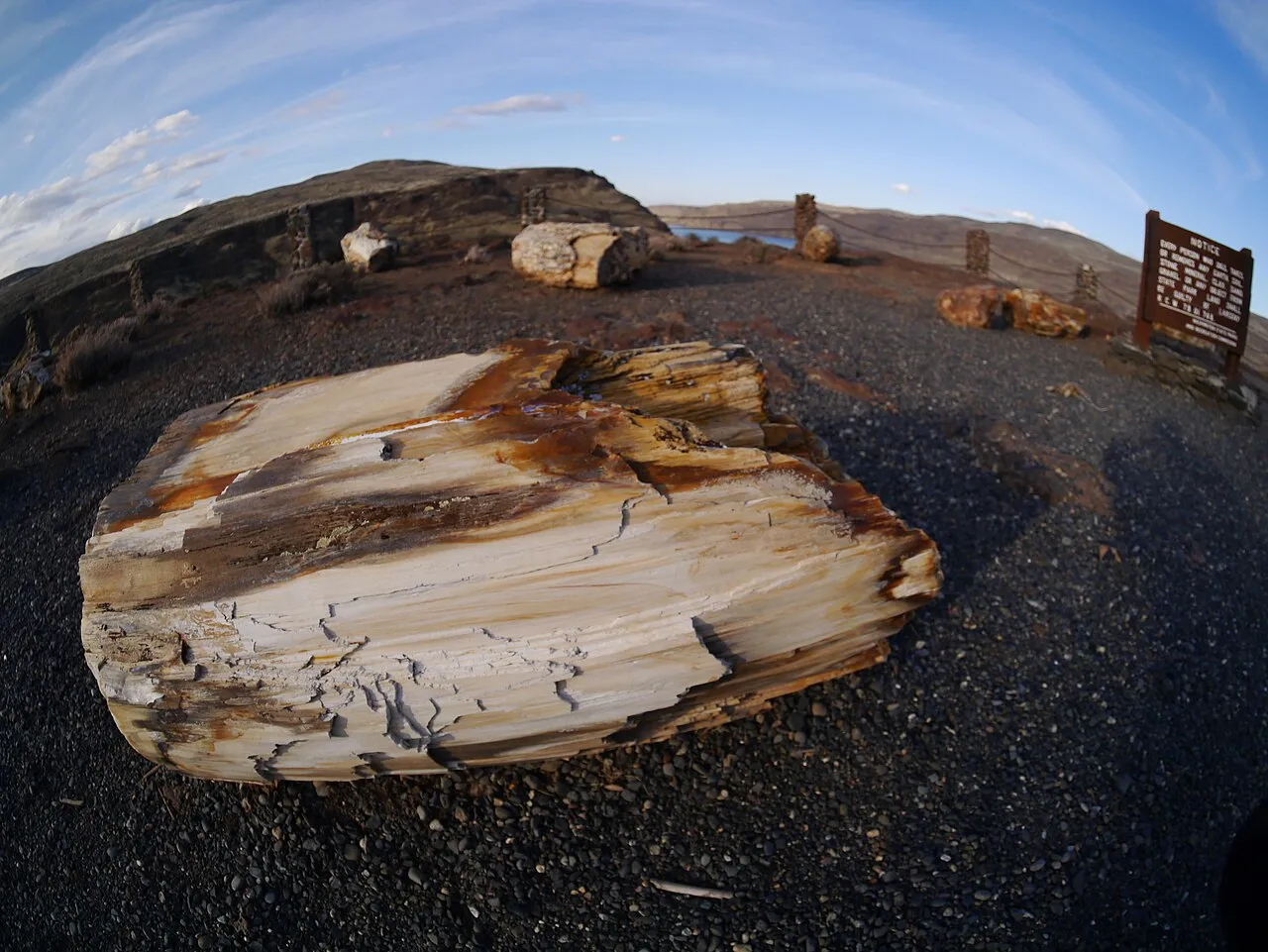
Washington may not be the first state that comes to mind for fossil collecting, but its volcanic and marine geological history has produced some remarkable paleontological sites across the Cascade Range and coastal lowlands.
Why Washington?
Washington’s geology tells a story of ancient subtropical forests, massive basalt floods, and shifting marine shorelines. During the Eocene (roughly 50 million years ago), the Bellingham area was a warm, swampy lowland covered in tropical and subtropical vegetation. Millions of years later, Miocene Columbia River Basalt flows buried entire forests, creating the spectacular petrified wood at Vantage. The Olympic Peninsula and coastal areas preserve marine fossils from various periods.
What You’ll Find
Eocene plant fossils (Chuckanut Formation, ~50 million years old):
- Subtropical leaf impressions including palms, figs, and magnolias
- Petrified wood and fossilized fruit
Miocene petrified wood (~15 million years old):
- Over 50 species of petrified trees at Ginkgo Petrified Forest
- Collectable petrified wood on BLM lands in central Washington
Marine fossils (Oligocene-Pleistocene):
- Fossil clams, gastropods, and crabs from coastal formations
- Pleistocene marine terrace shells along the Olympic coast
Best Time to Visit
- Late spring through early fall (May-October): Best weather for coastal and mountain collecting
- Low tide: Essential for shoreline collecting at Chuckanut and Kalaloch
- After winter storms: Storm erosion exposes fresh material on beaches
Tips for Washington Collecting
- Check tide tables — many of the best sites are only accessible at low tide
- Bring rain gear — Washington weather is unpredictable, even in summer
- Know the rules — state parks prohibit collecting; BLM land allows it with limits
- Visit the Burke Museum in Seattle for context on Washington paleontology
- Explore road cuts carefully — Chuckanut Drive exposures can be productive but use caution near traffic
Collecting Sites
Ginkgo Petrified Forest State Park
Free Public AccessVantage, Kittitas County
An interpretive park showcasing over 50 species of petrified trees preserved by Miocene basalt flows. Collecting is prohibited, but the exposed logs and museum are a must-visit for any fossil enthusiast.
Chuckanut Formation Exposures
Free Public AccessBellingham, Whatcom County
Coastal and road cut exposures along Chuckanut Drive yield beautifully preserved Eocene subtropical plant fossils. Look for leaf impressions in shale and sandstone along the shoreline at low tide.
Kalaloch Beach (Olympic Coast)
Free Public AccessJefferson County
Pleistocene marine terrace deposits along the Olympic coast contain well-preserved marine shells. Beach collecting is permitted on public shoreline. Best visited at low tide.
Saddle Mountains / BLM Land
Free Public AccessGrant County
BLM-managed lands in central Washington yield collectable petrified wood. Check current BLM regulations for collecting limits — typically 25 pounds per day for personal use.
Legal Rules for Washington
Collecting is prohibited in Washington state parks, including Ginkgo Petrified Forest. On BLM land, casual collecting of reasonable amounts of petrified wood (up to 25 lbs/day, 250 lbs/year) and invertebrate fossils is allowed. National forests generally permit casual collecting of common invertebrate and plant fossils. Always check specific site regulations. Do not collect vertebrate fossils on any public land without a permit.
Read our full legal guide for federal laws and more details.
Key Geological Formations
- Chuckanut Formation (Eocene)
- Ginkgo Petrified Forest (Miocene)
- Lincoln Creek Formation (Oligocene)
- Astoria Formation (Miocene)