Fossil Hunting in Wyoming
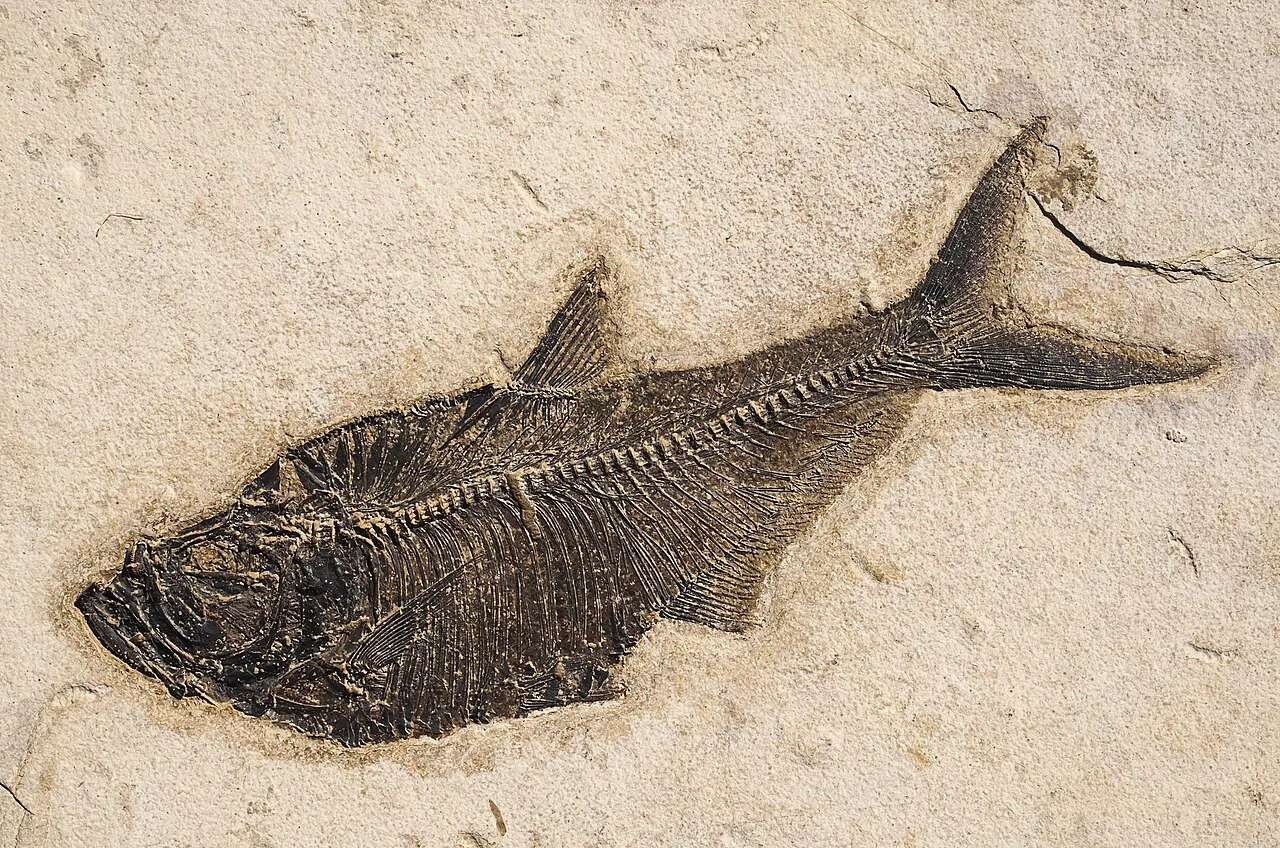
Wyoming is one of North America’s great fossil states. Its claim to fame is the Green River Formation — arguably the world’s finest source of Eocene fossil fish — but the state also boasts legendary dinosaur sites spanning the Jurassic and Cretaceous periods, all set against the dramatic scenery of the American West.
Why Wyoming?
Wyoming’s geology reads like a textbook of the last 500 million years. The state sits at the edge of the Western Interior Seaway (Cretaceous), contains some of the most productive Morrison Formation (Jurassic) exposures in the world, and preserves an extraordinary snapshot of Eocene lake life in the Green River Formation.
The Green River Formation is the star attraction for collectors. Approximately 52 million years ago, a series of large lakes covered parts of Wyoming, Utah, and Colorado. Fine-grained limestone accumulated on the lake bottoms, preserving fish, insects, plants, crocodilians, turtles, and even bats in exceptional detail. The Kemmerer area in southwestern Wyoming has been producing museum-quality fish fossils for over a century.
For dinosaur enthusiasts, Wyoming has an unmatched pedigree. Como Bluff near Medicine Bow was ground zero for the famous “Bone Wars” between paleontologists O.C. Marsh and E.D. Cope in the 1870s and 1880s. The Lance Formation in eastern Wyoming has yielded Triceratops, Tyrannosaurus rex, and Edmontosaurus. And new discoveries continue every year.
What You’ll Find
Eocene lake fossils (~52 million years ago):
- Knightia eocaena — the most common fossil fish in the world, a small herring found in abundance in the Green River Formation
- Diplomystus dentatus — a larger predatory herring, less common and more prized
- Priscacara serrata — a perch-like fish, one of the most sought-after Green River species
- Mioplosus labracoides — a large bass-like predator, rare and valuable
- Stingrays, gars, paddlefish, and bowfin (rare)
- Insects with wing venation preserved in extraordinary detail
- Palm fronds, ferns, and other subtropical plant fossils
- Turtles, crocodilians, and the occasional bird or bat (extremely rare)
Jurassic dinosaurs and marine life (~160-145 million years ago):
- Morrison Formation dinosaurs: Allosaurus, Apatosaurus, Diplodocus, Stegosaurus, Camarasaurus
- Sundance Formation marine invertebrates: ammonites, belemnites, bivalves, oysters
Late Cretaceous (~68-66 million years ago):
- Lance Formation: Triceratops, T. rex, Edmontosaurus, turtles, crocodilians
- Meeteetse Formation mammals and small vertebrates
Best Time to Visit
- Summer (June-August): The primary season for the Kemmerer fish quarries, which typically operate from Memorial Day through Labor Day. Long days and warm (but not extreme) temperatures make fieldwork pleasant at Wyoming’s elevation.
- Late spring (May): Some quarries open in late May. Good weather and fewer crowds than midsummer.
- Early fall (September): Some quarries remain open into September. Cooler temperatures and golden aspens make for a beautiful collecting trip.
- Avoid winter: Most quarries and remote sites are inaccessible due to snow. Wyoming winters are harsh.
Tips for Wyoming Collecting
- Start at a commercial quarry in Kemmerer. The dig-your-own fish quarries near Fossil Butte are the quintessential Wyoming collecting experience. You will find fish — Knightia are extremely abundant, and with patience you may uncover larger, rarer species.
- Split carefully and slowly. Green River limestone splits cleanly along bedding planes. Use a thin-bladed chisel or flat pry bar to separate layers. Fish are preserved between layers — rush the split and you may crack through a specimen.
- Examine every surface. Small insects, plant fragments, and juvenile fish are easily overlooked. Turn every slab over and inspect both faces in good light.
- Prepare for elevation and weather. Kemmerer sits at about 6,900 feet. The sun is intense, afternoon thunderstorms are common in summer, and temperatures can swing 40 degrees in a day. Bring layers, sunscreen, and rain gear.
- Visit Fossil Butte National Monument. Even though you cannot collect there, the visitor center displays some of the finest Green River Formation specimens ever found, including complete crocodilians, turtles with soft tissue impressions, and mass mortality fish plates.
- For dinosaurs, join an organized dig. The best Wyoming dinosaur sites are on private ranch land. Several outfitters and museums run guided excavation programs each summer where paying participants assist with real paleontological fieldwork. The Wyoming Dinosaur Center in Thermopolis runs a popular “Dig for a Day” program in Morrison Formation exposures.
- Respect ranchers and private land. Much of Wyoming is private ranch land that may not be fenced or posted. Always confirm land ownership before collecting. The BLM has online maps and local field offices that can help clarify boundaries.
- Pack out everything. Wyoming’s fossil sites are remote and beautiful. Leave no trash, fill any holes, and preserve the experience for future collectors.
Collecting Sites
Fossil Butte National Monument
Public (Fee)Kemmerer, Lincoln County
One of the world's best-preserved Eocene lake ecosystems. The visitor center displays spectacular Green River Formation specimens. No collecting is allowed within the monument, but the interpretive exhibits and summer research quarry programs (where visitors can observe paleontologists at work) are outstanding.
Warfield Fossils Quarry
Commercial Dig SiteKemmerer, Lincoln County
A privately operated commercial dig quarry in the Green River Formation near Kemmerer. Pay a fee, split limestone slabs, and keep your finds. The abundant Knightia herring are almost guaranteed. Patient diggers sometimes uncover larger Diplomystus or the prized perch-like Priscacara. Tools provided.
American Fossil Quarry
Commercial Dig SiteKemmerer, Lincoln County
Another well-established commercial quarry operation near Kemmerer working the Green River Formation's 18-inch layer. Visitors split thin limestone slabs to reveal Eocene fish. Multi-day dig packages available for serious collectors.
Ulrich's Fossil Gallery
Commercial Dig SiteKemmerer, Lincoln County
A long-running family fossil business near Kemmerer that offers dig-your-own quarry experiences in the Green River Formation as well as a gallery of museum-quality prepared specimens.
Lance Creek Fossil Area
Private (Permission Needed)Lance Creek, Niobrara County
The Lance Formation near Lance Creek is the type locality for several Late Cretaceous dinosaurs. Fossils weather out of badlands exposures on private ranch land. Access requires permission from individual landowners. Several paleontological outfitters run guided digs on permitted ranch land during summer months.
Como Bluff
Private (Permission Needed)Medicine Bow, Carbon County
One of the most historically important dinosaur sites in the world. During the 1870s-1880s Bone Wars, O.C. Marsh's teams excavated dozens of new dinosaur species here from the Morrison Formation. Most land is now privately held. The roadside 'Fossil Cabin' built from dinosaur bone fragments is a quirky landmark. Active research continues on some parcels.
BLM Land — Bighorn Basin
Free Public AccessWorland area, Washakie County
Various BLM-managed exposures in the Bighorn Basin expose Jurassic marine formations including the Sundance Formation. Casual collecting of invertebrate fossils for personal use is permitted. Badlands terrain requires careful navigation.
Legal Rules for Wyoming
On BLM and National Forest land in Wyoming, casual collecting of reasonable quantities of common invertebrate and plant fossils for personal use is allowed without a permit. Vertebrate fossils (bones, teeth, skulls of any animal with a backbone including fish and dinosaurs) may NOT be collected from any federal land without a research permit. Collecting is prohibited in all National Parks and National Monuments including Fossil Butte. Wyoming state land requires permission from the Office of State Lands. Private land collecting requires landowner permission — much of the best dinosaur country is on private ranch land where access can sometimes be arranged. Commercial collecting on federal land requires a special permit.
Read our full legal guide for federal laws and more details.
Key Geological Formations
- Green River Formation (Eocene)
- Morrison Formation (Late Jurassic)
- Lance Formation (Late Cretaceous)
- Sundance Formation (Late Jurassic)
- Phosphoria Formation (Permian)